
Revolutionary Skin Care Science
Understand the powerful ingredients and their transformative effects on your skin. Discover how each component works to protect, hydrate, and revitalize your complexion.
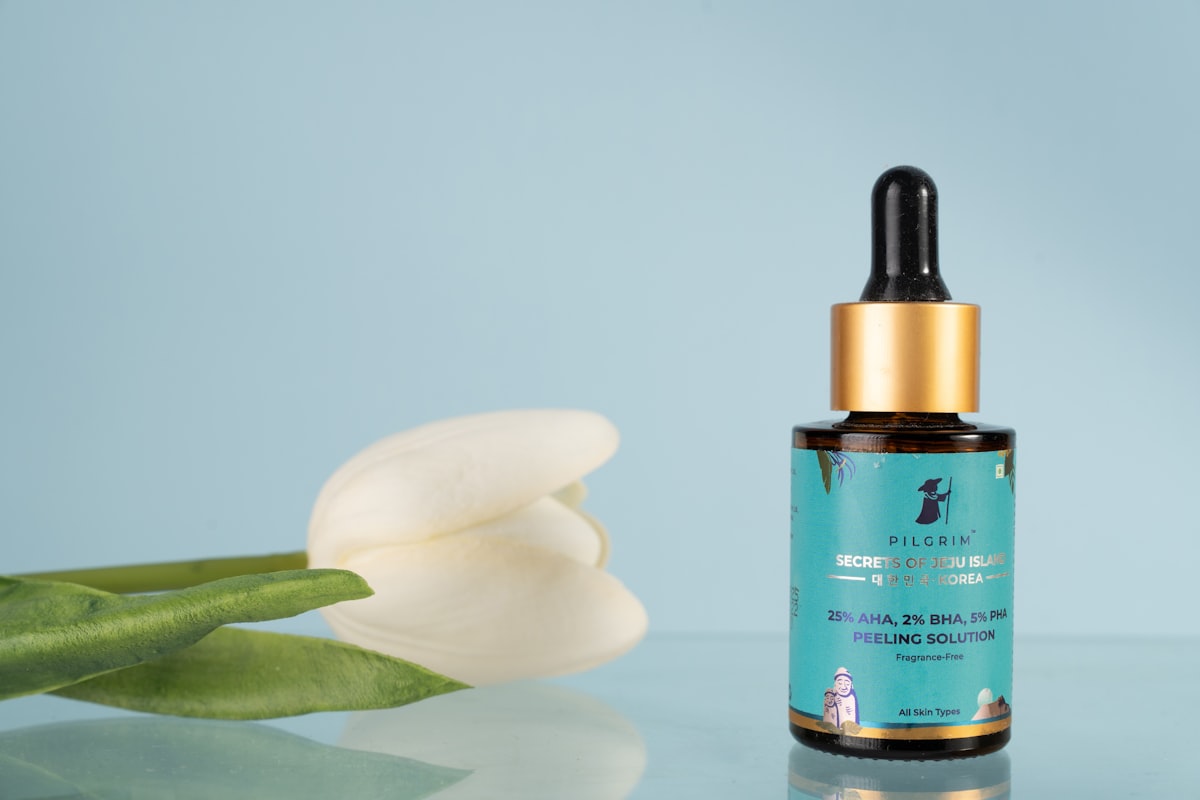
Active Ingredients Close-Up
Essential components that form the backbone of modern skincare science
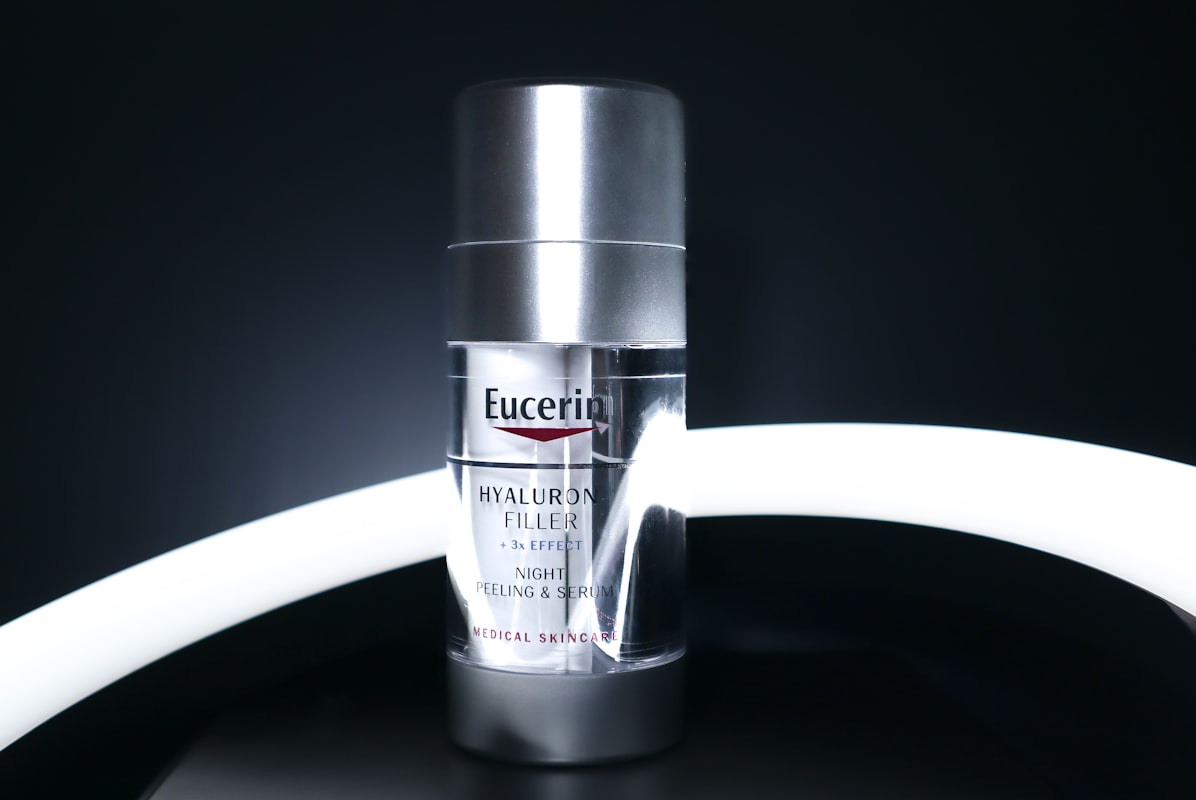
Hyaluronic Acid
Holds up to 1000 times its weight in water. Penetrates the epidermis to deliver deep hydration and restore skin plumpness, reducing the appearance of fine lines through improved moisture retention.

Retinol
A vitamin A derivative that accelerates cell turnover and stimulates collagen production. Promotes skin elasticity, refines texture, and helps maintain a youthful appearance while supporting natural renewal processes.
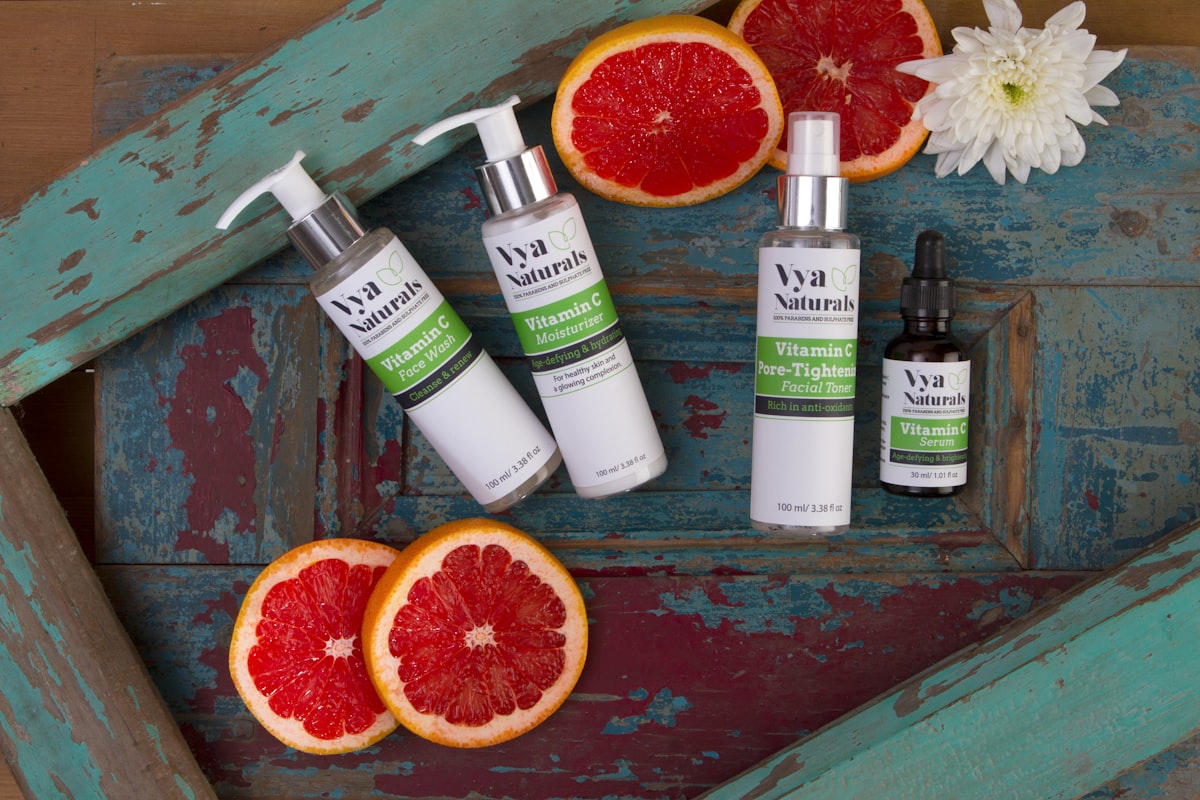
Vitamin C
A potent antioxidant that neutralizes free radicals and provides photoaging protection. Brightens the skin, evens tone, and supports natural collagen synthesis for a radiant and resilient complexion.

Peptides
Short chains of amino acids that signal skin cells to boost collagen and elastin production. Improve skin firmness, support structural integrity, and enhance overall skin resilience against environmental stress.
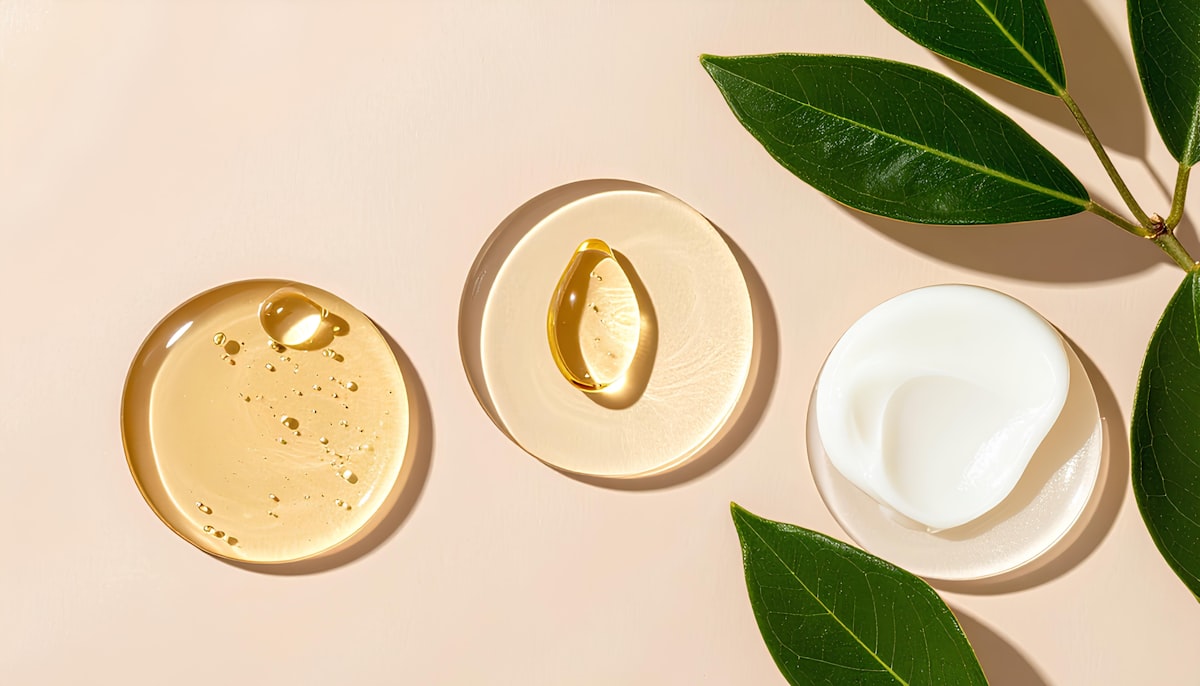
Antioxidants
Natural compounds like green tea extract and resveratrol that combat oxidative stress. Protect against environmental damage, reduce inflammation, and support skin's natural defense mechanisms for long-term health.
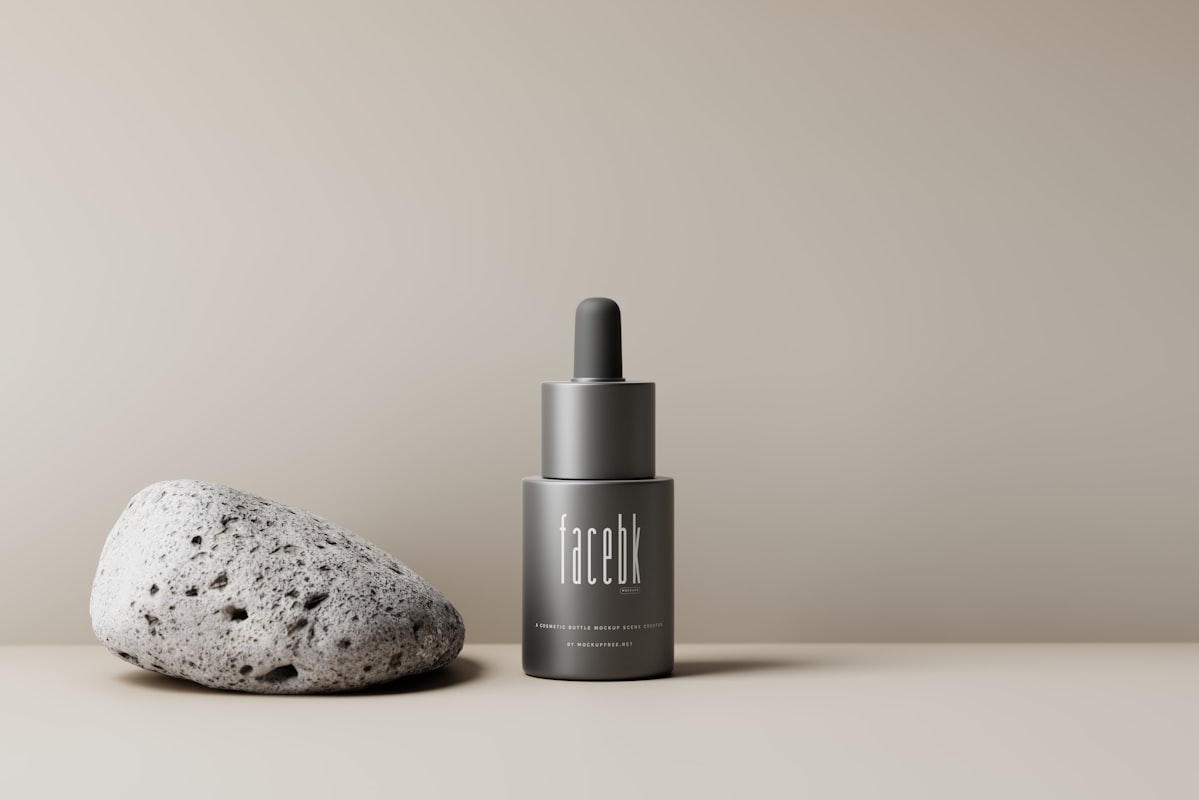
Ceramides
Lipid molecules that form the skin barrier's foundation. Restore moisture balance, prevent transepidermal water loss, and strengthen the protective layer against irritants and environmental factors.
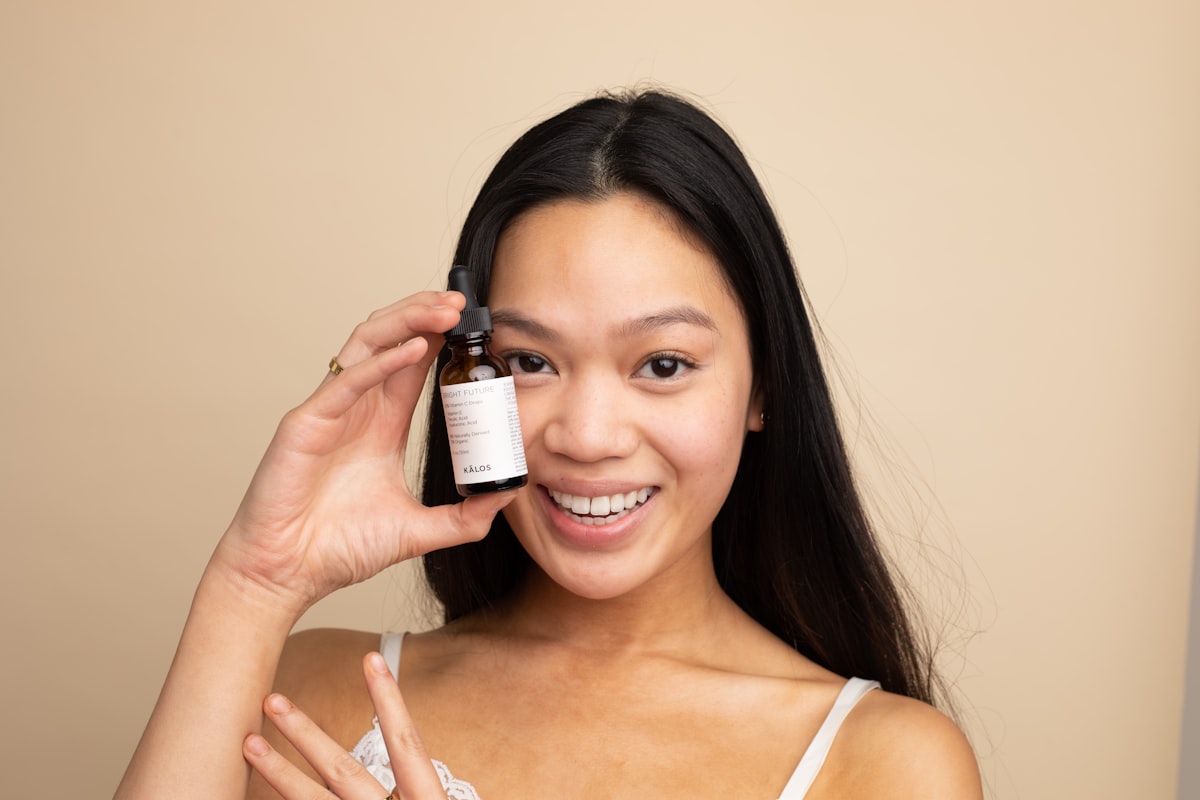
Key Components Explained
Understanding how each ingredient category delivers measurable skincare benefits
Skin Hydration
Hyaluronic acid and glycerin work synergistically to lock moisture into the skin's deeper layers. These humectants draw water from the environment and underlying dermis, maintaining optimal hydration levels throughout the day and improving skin texture visibly.
Skin Elasticity
Peptides, retinol, and vitamin C stimulate collagen and elastin fiber production at the cellular level. These proteins provide structural support and flexibility, helping skin maintain its firmness and bounce while reducing the visible appearance of loss of elasticity.
Protection Against Photoaging
Antioxidants such as vitamin C, green tea polyphenols, and resveratrol neutralize free radicals generated by UV exposure and environmental pollution. This protective action slows the breakdown of collagen and elastin, helping preserve skin's youthful appearance long-term.
Natural Skin Renewal
Retinol and enzymatic exfoliants accelerate the skin's natural turnover cycle, gently removing dead cells and revealing fresher skin underneath. This promotes a smoother texture, more even tone, and allows other beneficial ingredients to penetrate more effectively.
How Ingredients Transform Skin
A systematic approach to understanding cosmetic ingredient mechanisms
The Layered Approach to Skincare
Cleanse and Prepare
Remove impurities to allow deeper penetration of beneficial ingredients. Clean skin absorbs active components more effectively.
Apply Actives
Use targeted ingredients like retinol, vitamin C, or peptides on clean skin when the skin barrier is receptive.
Hydrate and Seal
Lock in moisture with hyaluronic acid and ceramides to strengthen the skin barrier and enhance ingredient efficacy.
Protect and Maintain
Use daily SPF and antioxidants to prevent damage and maintain the benefits of your skincare regimen over time.
This multi-step method ensures maximum efficacy of each ingredient while respecting the skin's natural barrier function. Consistency and proper sequencing amplify the transformative effects of cosmetic ingredients.
Ingredient Benefits at a Glance
Compare key skincare components and their primary functions
| Ingredient | Primary Benefit | Skin Type Compatibility | Frequency of Use |
|---|---|---|---|
| Hyaluronic Acid | Deep hydration and plumping | All skin types | Daily |
| Retinol | Cell renewal and collagen boost | Most types (start low for sensitive) | 2-3 times weekly |
| Vitamin C | Antioxidant protection and brightening | All skin types | Daily (morning) |
| Peptides | Firmness and elasticity support | All skin types | Daily |
| Ceramides | Barrier repair and moisture lock | Dry and sensitive skin especially | Daily |
| Antioxidants | Free radical defense | All skin types | Daily |
Note: Individual responses to skincare ingredients vary. Consider your skin type, sensitivity level, and any existing routine when introducing new components. Start with lower concentrations and gradually increase as your skin builds tolerance.
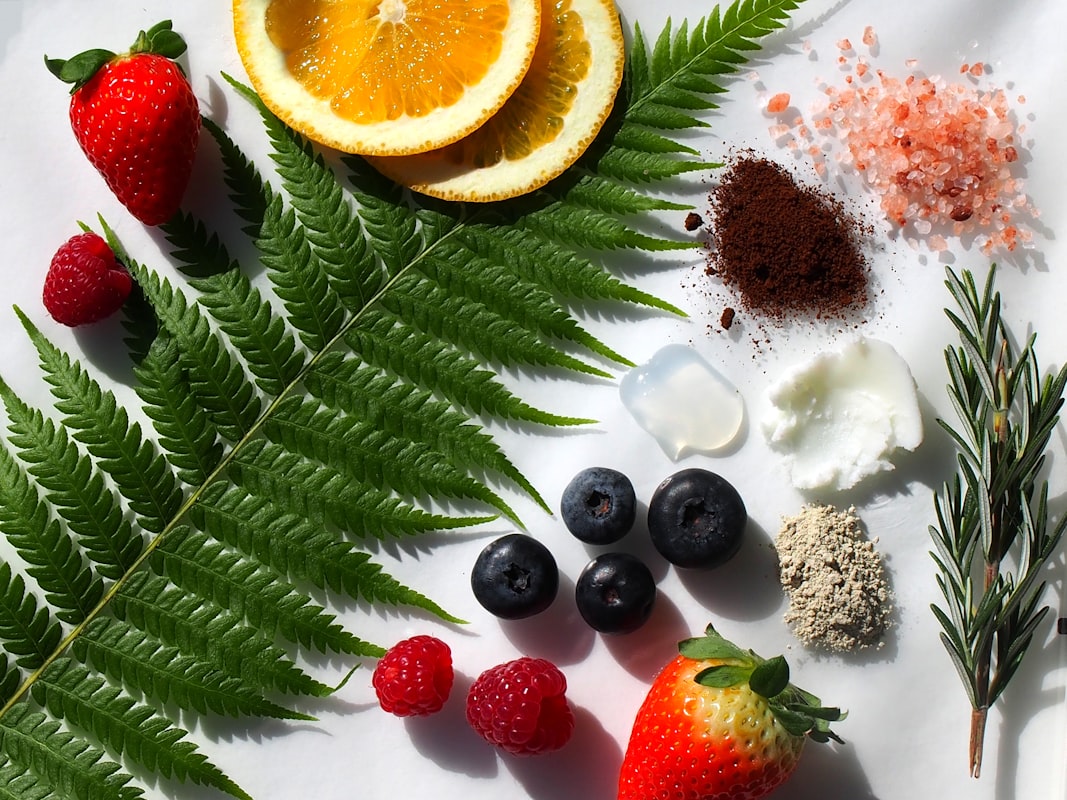
Foods Good for Skin
Nutrition supports what topical ingredients achieve. Discover dietary sources of key skincare components.

Berries
Blueberries, strawberries, and raspberries are packed with anthocyanins and polyphenols. These antioxidants support skin's natural defense against oxidative stress from environmental factors.
Key benefit: Antioxidant protection

Fatty Fish
Salmon, mackerel, and sardines provide omega-3 fatty acids essential for maintaining skin barrier integrity. These lipids support natural moisturization and reduce inflammatory responses in the skin.
Key benefit: Skin hydration and barrier support
Citrus Fruits
Oranges, lemons, and grapefruits are excellent sources of vitamin C. This nutrient supports collagen synthesis from within and enhances the skin's ability to maintain firmness and brightness.
Key benefit: Collagen support and skin radiance
Leafy Greens
Spinach, kale, and lettuce contain lutein, vitamins A and K, and minerals critical for skin cell regeneration. These nutrients support the skin's natural renewal processes and barrier function.
Key benefit: Cellular renewal and protection
The Inside-Outside Approach
While topical skincare ingredients deliver localized benefits, internal nutrition provides the building blocks skin needs to function optimally. A diet rich in antioxidants, healthy fats, and vitamins works synergistically with cosmetic ingredients to support skin health, elasticity, and natural radiance. The most effective skincare strategy combines both approaches: nourishing the skin from within through smart food choices and supporting it externally with scientifically-formulated products.
Common Questions About Components
Everything you need to know about skincare ingredients
Not all ingredients should be combined in the same application. Retinol and vitamin C are powerful and may cause irritation if layered together initially. A typical routine layers ingredients by strength: cleanse, apply lightweight actives (vitamin C), then hydrating ingredients (hyaluronic acid), then richer moisturizers (ceramides), and finally SPF during the day. Start slow and observe how your skin responds before adding multiple active ingredients.
Results vary based on the ingredient and your skin type. Hyaluronic acid and peptides can improve hydration and appearance within days. Retinol's cell-renewal benefits typically become noticeable within 4-8 weeks of consistent use. Antioxidants build protection gradually. Most skincare experts recommend giving new products at least 6-8 weeks of regular use to assess true efficacy, as skin cell turnover takes approximately 28 days. Consistency matters more than intensity.
Not necessarily. Both natural and synthetic ingredients can be effective, stable, and safe when properly formulated. What matters is the ingredient's concentration, purity, and how it's delivered to the skin. Some natural ingredients are potent but less stable; some synthetic versions are designed for better absorption and shelf life. The source matters less than efficacy and safety data. Look for ingredients with clinical research supporting their benefits rather than relying solely on "natural" or "synthetic" labels.
When selecting a supplement, prioritize third-party testing and certifications (NSF, USP, ConsumerLab). Check the ingredient list for potency levels, bioavailability, and absence of unnecessary fillers. Consider your individual needs—age, lifestyle, diet, and health conditions all influence which vitamins benefit you most. Consult a healthcare provider before starting new supplements, especially if you take medications. Quality brands provide transparent sourcing, manufacturing practices, and expiration dates.
Ideally, a balanced diet provides most essential vitamins and minerals. However, certain deficiencies are common due to modern food processing, soil depletion, and dietary restrictions. Vitamin D is difficult to obtain in sufficient quantities from food alone, especially in northern climates. Vegans may struggle with B12, and those with malabsorption issues need supplementation. A combination of nutrient-dense whole foods and targeted supplementation often provides optimal results. Your individual situation determines whether food alone is sufficient.
What Our Customers Say
Join thousands who've transformed their health with Skinvitaminessence premium formulations.
"My skin has never looked better. Within weeks of starting the Skinvitaminessence regimen, my complexion became clearer and more radiant. The bioavailability of their formulas is unmatched."
Sarah Mitchell
Marketing Professional
"After months of fatigue and dull skin, I finally found a supplement brand that delivers real results. Skinvitaminessence's commitment to quality and transparency is exactly what I needed."
Jessica Chen
Fitness Enthusiast
"Skinvitaminessence combines science with nature perfectly. I appreciate the detailed research backing each product. My energy levels and skin texture have improved dramatically."
David Thompson
Health Coach
Ready to Transform Your Skin & Wellness?
Discover the power of science-backed, premium vitamin formulations. Join our community and experience visible results in as little as 30 days.
Free Shipping on Orders Over $75
60-Day Money-Back Guarantee
Expert Support 7 Days a Week